
You've got the technical skills. You've shipped production code. But landing a remote software engineering job—one that pays well and doesn't treat remote as an afterthought—requires more than just coding ability.
The competition is brutal. You're no longer competing with developers in your city. You're competing globally, against engineers who've been working remotely for years and know exactly how to present themselves. Companies receive hundreds of applications for every remote engineering role, and most get filtered out before a human ever sees them.
At Remote Job Assistant, we track thousands of engineering job postings monthly—and the patterns are clear. The engineers who land great remote roles aren't just technically strong. They know how to demonstrate remote-readiness, communicate asynchronously, and stand out in a sea of identical applications.
Get Remote Job Tips in Your Inbox
Weekly strategies, salary data, and new opportunities
Unsubscribe anytime. No spam.
Getting a remote software engineer job is harder than onsite roles, but very achievable if you have strong technical fundamentals, async communication skills, and experience working without supervision. Most successful candidates have 2-5 years of experience and can clearly demonstrate independent problem-solving in interviews. Entry-level candidates can break in through open source contributions, bootcamp partnerships, or starting hybrid before going fully remote.
Ready to browse live openings? Check out our remote software engineer job listings for current positions. But if you want to understand what it actually takes to get hired—and set yourself apart—keep reading.
What Remote Software Engineers Actually Earn
Let's start with the numbers. According to Glassdoor's December 2025 salary data, the average remote software engineer salary is $142,542 per year, with the typical range falling between $113,000 and $181,000.
| Experience Level | Base Salary Range | Total Compensation |
|---|---|---|
| Junior (0-2 years) | $80,000 - $115,000 | $85,000 - $130,000 |
| Mid-Level (3-5 years) | $115,000 - $160,000 | $130,000 - $190,000 |
| Senior (5-8 years) | $150,000 - $200,000 | $175,000 - $250,000 |
| Staff/Principal (8+ years) | $180,000 - $280,000 | $220,000 - $400,000+ |

Total compensation at well-funded startups and public tech companies often includes RSUs, annual bonuses of 10-20%, and signing bonuses ranging from $10,000 to $50,000+. A $150K base salary can translate to $200K+ total comp.
These numbers hold true whether you're building backend systems or crafting frontend interfaces. The key differentiator is specialization—engineers with expertise in AI/ML, distributed systems, or security command premium salaries that regularly exceed $250,000.
Is Remote Software Engineering Right for You?
Remote work isn't for everyone, and being honest about fit saves you months of frustration. Here's who thrives—and who should wait.
You're Ready for Remote Engineering If:
You have 2+ years of professional coding experience. You've shipped production code, debugged issues independently, and understand how real software teams operate. Remote onboarding is hard—companies need people who can contribute quickly.
You work well without external structure. You don't need someone checking on you to stay productive. You've completed side projects, online courses, or open source contributions on your own timeline.
You communicate clearly in writing. Remote work is 80% written communication. If you can explain technical decisions in a pull request description or Slack message without confusion, you're ahead of most candidates.
You have a quiet, dedicated workspace. Video calls, focus work, and professional presence all require a space that isn't your kitchen table with roommates in the background.
Consider Building More Experience First If:
You're brand new to professional development. Entry-level remote roles exist but are extremely competitive (only ~6% of remote postings). Consider starting hybrid or onsite to build foundational skills with in-person mentorship.
You struggle with self-direction. If you need regular check-ins to stay on track, remote work will amplify that challenge. Work on building independent work habits before making the jump.
Your technical skills are still developing. Remote interviews are often harder than onsite because companies filter for candidates who can solve problems without hand-holding. Get comfortable with your stack first.
You thrive on in-person collaboration. Some engineers genuinely do their best work in office environments. That's valid—remote isn't inherently better, just different.
If you're on the fence, start with a hybrid role. Prove you can work independently, build remote collaboration skills, then transition to fully remote. This path has a higher success rate than applying directly to competitive remote-only positions without prior distributed work experience.
Decode Any Job Posting
Paste a job description and get instant insights: what they really want, red flags to watch, and how to stand out.
Skills That Actually Get You Hired
Technical skills get you through the door. But remote-specific skills determine whether you get an offer or a rejection email.
Technical Foundations by Role
| Role | Must-Have Skills | Nice-to-Have |
|---|---|---|
| Frontend | React/Vue, TypeScript, CSS/Tailwind | Web performance, accessibility, testing |
| Backend | Python/Go/Java, SQL, API design | Distributed systems, caching, security |
| Full Stack | JavaScript + one backend language | DevOps basics, cloud platforms |
| DevOps | Kubernetes, Terraform, CI/CD | Security (SOC2), cost optimization |
| Mobile | Swift or Kotlin, platform APIs | Cross-platform (React Native/Flutter) |
But here's what most candidates miss: remote hiring managers filter for signals that predict remote success, not just technical competence.
The Remote Skills That Matter More Than You Think
Async Communication — Can you explain complex technical concepts in writing? Remote work means fewer real-time conversations and more written documentation. Engineers who write clear, thorough PR descriptions and project updates outperform those who need constant synchronous discussion.
Self-Direction — When nobody's watching, can you prioritize effectively and ship consistently? Remote managers can't micromanage—they need engineers who identify what matters and execute without hand-holding.
Proactive Over-Communication — Remote work creates information gaps. Strong remote engineers share progress before being asked, flag blockers early, and keep stakeholders informed without requiring check-ins.
Time Zone Awareness — Understanding that your "urgent" message lands in someone's inbox at 2 AM affects how you communicate. The best remote engineers schedule messages, respect async time, and design for collaboration across time zones.
Your GitHub activity, blog posts, and open-source contributions all signal remote readiness. Clear commit messages, thorough README files, and thoughtful PR reviews show you can collaborate asynchronously—even before you're hired.
Understanding Remote Engineering Specializations
Not all engineering roles work equally well remotely. Some specializations thrive in distributed environments, while others face more friction. Knowing the landscape helps you target your search.
High Remote-Fit Roles
Backend Development — APIs, databases, server-side logic. Backend work is naturally async—your code either works or it doesn't. Salary range: $120,000 - $220,000. Learn more about remote backend roles.
DevOps & SRE — Infrastructure is inherently distributed. Your servers don't care where you sit. Often comes with on-call rotations, but the trade-off is typically higher compensation. Salary range: $130,000 - $240,000. Explore DevOps career paths.
Frontend Development — UI work translates well to async collaboration with clear deliverables. Design systems and component libraries thrive in documented, remote environments. Salary range: $100,000 - $180,000. See frontend opportunities.
Moderate Remote-Fit Roles
Full Stack Development — Reduces coordination overhead by owning entire features, but requires comfort context-switching between frontend and backend. Startups particularly value full-stack remote engineers. Salary range: $110,000 - $200,000.
Mobile Development — Design collaboration and device testing can be challenging remotely. Some friction, but many companies (Doordash, Lyft) hire remote mobile engineers successfully. Salary range: $115,000 - $200,000.
QA & Test Automation — Tests pass or fail regardless of location. Remote QA roles offer a solid entry point for those transitioning into tech. Salary range: $90,000 - $160,000.
Stop Applying Manually
Our AI applies to hundreds of matching jobs while you sleep. Wake up to interviews, not more applications.
What the Interview Process Actually Looks Like
Remote engineering interviews follow a predictable structure. Understanding each stage—and what interviewers are really evaluating—gives you a significant advantage.
The Typical Flow
Stage 1: Recruiter Screen (30-45 min) Video call to discuss background, salary expectations, and role fit. Hidden evaluation: Can you communicate clearly over video? Do you have a professional setup? They're already assessing your remote readiness.
Stage 2: Technical Screen (60-90 min) Live coding via CoderPad, HackerRank, or similar. Typically algorithmic problems at mid-level difficulty. What matters: Explaining your thought process as you code matters as much as getting the right answer.
Stage 3: Take-Home Assignment (4-8 hours) Not universal, but common. Build a small project demonstrating your skills. What they're really checking: Documentation, code organization, and how you explain decisions—this mirrors remote async work.
Stage 4: Technical Deep-Dive (3-5 hours) System design, coding, debugging, architecture discussions. Often split across multiple days. Remote-specific: Can you stay engaged and communicate effectively across multiple video sessions?
Stage 5: Behavioral/Culture Fit (45-60 min) Questions about remote work experience, handling ambiguity, and communication style. This is where remote-specific skills make or break your candidacy.
What Remote Interviewers Actually Look For
Based on our analysis of hundreds of engineering job postings, interviewers evaluating remote candidates focus on three areas beyond technical ability:
Communication Quality — Do you explain your thinking as you code? Can you articulate trade-offs clearly? In remote settings, your ability to communicate asynchronously determines your effectiveness more than raw coding speed.
Independence Signals — Have you worked on side projects, contributed to open source, or completed online courses independently? These demonstrate you can drive work forward without external structure.
Collaboration Evidence — How do you handle code reviews? Have you mentored others? Remote doesn't mean isolated—it means collaborating through different channels.
If a company schedules all interviews within one day without breaks, requires on-site visits for "cultural fit," or has interviewers unfamiliar with video call etiquette—these suggest remote work is an afterthought, not a priority. You want companies where remote is the default, not an exception.
Decode Any Job Posting
Paste a job description and get instant insights: what they really want, red flags to watch, and how to stand out.
How to Evaluate Remote Engineering Companies
Not all "remote" jobs are created equal. Some companies genuinely support distributed work. Others tolerate it reluctantly. Knowing the difference saves you from joining a company where remote engineers are second-class citizens.
Questions to Ask (And What to Look For)
"What percentage of engineers work remotely?" If it's under 30%, remote workers likely face cultural friction. If it's 80%+, remote is probably the default.
"How do remote engineers get promoted?" Look for concrete examples. If they can't name remote engineers who've been promoted recently, that's a red flag.
"What's your meeting culture like?" Good answer: "We batch meetings to protect focus time and default to async." Bad answer: "We're very collaborative—lots of video calls throughout the day."
"How do you handle time zone differences?" Strong remote companies have explicit policies. Weak ones say "we figure it out."
Types of Remote Companies
Remote-First (Best for remote engineers): No headquarters. Everyone's remote by default. Examples: GitLab, Zapier, Automattic, Buffer. These companies have invested years in building remote-native culture.
Remote-Friendly (Good, but verify): Physical offices exist, but remote is genuinely supported. Examples: Stripe, Shopify, Datadog. Quality varies—ask the questions above.
Remote-Tolerant (Proceed with caution): Office-centric culture that "allows" remote work. Remote engineers often feel disconnected, miss out on promotions, and eventually leave.
A Day in the Life of a Remote Software Engineer
What does remote engineering actually look like day-to-day? Here's a typical structure at a well-run remote organization:
8:00 AM — Start with coffee and async catch-up: Slack messages, pull request reviews, and overnight updates from teammates in different time zones.
9:00 AM — Deep work block begins. Two to three hours of focused coding with notifications silenced. This protected time is sacred in good remote cultures.
12:00 PM — Lunch break, potentially including a midday workout or errand—flexibility that office life rarely offers.
1:00 PM — Sync meetings: daily standup (15 min via video), followed by a design review or pairing session. Well-run remote teams batch meetings to protect focus time.
2:30 PM — Second deep work block. Finish features, write documentation, or debug complex issues.
5:00 PM — Wrap-up: Update tickets, write status updates, and queue messages for async delivery to different time zones.
5:30 PM — Log off. Unlike offices where presence signals productivity, remote work is evaluated by output—so sustainable hours matter.
The best remote engineering cultures protect focus time ruthlessly. Meetings are minimized, documentation replaces synchronous explanations, and results matter more than activity.
How to Stand Out When Applying
With hundreds of applicants per remote role, generic applications disappear into the void. Here's what actually moves the needle:
Customize Your Resume for Remote — Highlight previous remote work, async collaboration experience, and independent projects. Mention specific tools (Slack, Notion, Linear) and remote-specific achievements like "led cross-timezone feature launches" or "maintained 95% async communication."
Build a Portfolio That Signals Remote Readiness — GitHub contributions, technical blog posts, and side projects demonstrate you can ship independently. Include READMEs that explain your thinking—this mirrors remote documentation practices. Quality of explanation matters as much as quality of code.
Write Cover Letters That Address Remote Concerns — Explain your home office setup, previous remote experience, and how you structure your day. Hiring managers want evidence you can thrive without supervision. Be specific: "I've worked remotely for 3 years, maintain a dedicated office space, and structure my day around 4-hour deep work blocks."
Network in Remote-First Communities — Join Slack communities (Rands Leadership, various tech Discords), attend virtual meetups, and engage with employees at target companies. Referrals matter even more for competitive remote roles because they signal pre-vetted remote capability.
If you're flexible on hours, mention it explicitly. Companies hiring globally value engineers who can overlap with multiple time zones—it makes collaboration easier and makes you a more valuable candidate than someone locked to 9-5 in one timezone.
Entry Paths Into Remote Software Engineering
Breaking into remote engineering without prior remote experience creates a chicken-and-egg problem. Here's how to solve it:
Contribute to Open Source — This is the single best way to demonstrate remote collaboration skills before landing your first remote job. You'll practice async communication, written technical discussion, and shipping code with distributed teams.
Start Hybrid, Then Go Remote — Join a company with both office and remote options. Establish yourself as a strong performer, then transition to full remote. Many engineers use this as a stepping stone.
Target Remote-First Startups — Early-stage startups often care more about skills than remote experience. They need people who can ship, and they're more willing to take chances on candidates who demonstrate capability.
Consider Adjacent Roles — IT support and QA engineering offer entry points into remote tech work with lower barriers. These can be stepping stones to software engineering roles.
For those without traditional tech backgrounds, explore our no-experience remote positions as potential starting points.
Decode Any Job Posting
Paste a job description and get instant insights: what they really want, red flags to watch, and how to stand out.
Frequently Asked Questions
What programming languages are most in-demand for remote software engineering jobs?
JavaScript, Python, and TypeScript dominate remote job postings, accounting for over 60% of listings according to Stack Overflow's 2025 Developer Survey. However, specialized languages like Go and Rust command premium salaries—often $20,000-$40,000 more than generalist roles.
How long does it take to land a remote software engineer job?
For mid-level engineers, expect 2-4 months from first application to offer. Senior roles move faster (4-8 weeks) because companies urgently need experienced engineers who can contribute immediately. Junior engineers face the longest search—often 4-6 months—due to intense competition for entry-level remote positions.
Do I need a computer science degree for remote software engineering roles?
Not necessarily. According to Stack Overflow's research, 23% of professional developers are self-taught, and many remote-first companies explicitly value portfolios and demonstrated skills over credentials. However, a degree can help you pass automated resume screens at larger companies.
What equipment do I need to work as a remote software engineer?
At minimum: a modern laptop (most companies provide one), reliable high-speed internet (50+ Mbps recommended), a quality webcam and headset for video calls, and a quiet workspace. Many companies offer $500-$2,000 home office stipends to help you set up properly.
Is it harder to get promoted as a remote software engineer?
It depends entirely on the company. At remote-first organizations, promotion rates for remote and in-office employees are identical because everyone is remote. At office-centric companies that "allow" remote work, remote employees often face visibility disadvantages. This is why evaluating a company's remote culture matters so much.
Can entry-level developers get remote software engineering jobs?
Possible but challenging. Most companies prefer remote hires with 2+ years of experience because remote onboarding is difficult. Your best paths: bootcamps with remote-first company partnerships, contributing to open source to build a track record, or starting at a hybrid company before transitioning to fully remote.
How do remote software engineers avoid isolation and stay connected?
Through intentional communication: daily async standups, weekly video syncs, quarterly in-person gatherings (many companies fly teams together 2-4 times per year), and always-on Slack channels for quick questions. The best remote engineers over-communicate rather than under-communicate, and actively build relationships with teammates.
Your Next Steps
Landing a remote software engineering role requires more than technical skills—it demands demonstrating that you can thrive in a distributed environment. The engineers who succeed focus on:
- Building remote-visible proof of work through open source, blogging, and clear documentation
- Targeting companies with genuine remote culture, not just remote tolerance
- Communicating remote-readiness explicitly in every application and interview
Ready to start your search? Browse current remote software engineer openings on our job board. For specific specializations, explore DevOps, frontend, backend, or full-stack roles.
If you're targeting top-tier compensation, check out positions in our $150K+ and $200K+ salary categories—many are remote engineering roles at well-funded companies.
The remote engineering market is competitive, but the opportunities are real. The question isn't whether great remote roles exist—it's whether you're prepared to stand out and land one.
Ready to Find Your Remote Job?
Browse thousands of curated remote jobs or let AI apply for you.
Browse Remote JobsRelated Job Guides
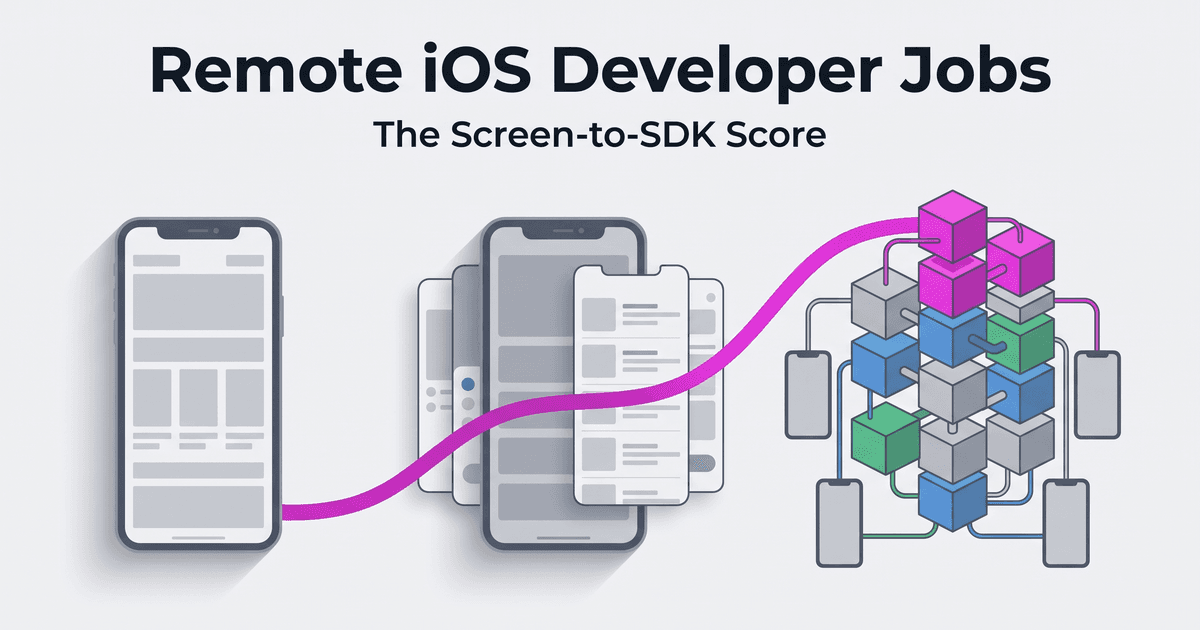
Remote iOS Developer Jobs: What 370 Postings Pay (2026)
Remote iOS developer jobs: we read 370 US postings. Apple flagged 26 of 4,384 US jobs Home Office, none of them iOS. Where the remote seats are, and the pay.
48 min read
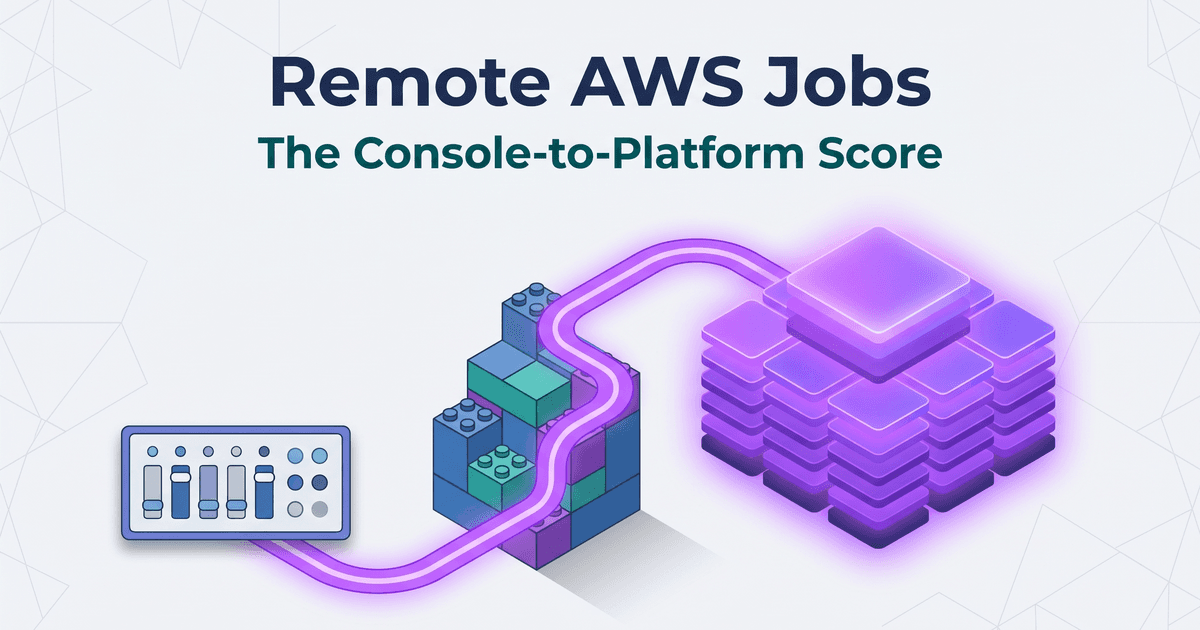
Remote AWS Jobs: What 759 Postings Actually Pay (2026)
Remote AWS jobs: we read 759 US postings. Amazon's AWS org listed 16 of 5,370 jobs as virtual, so the remote seats sit elsewhere. Pay by role and employer.
43 min read
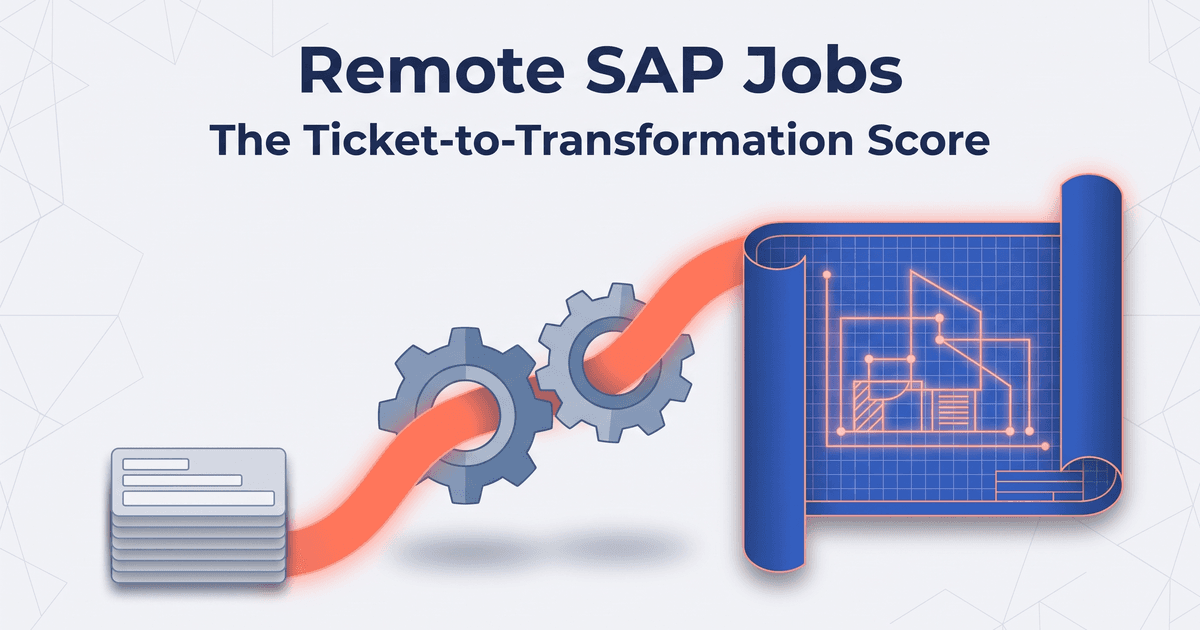
Remote SAP Jobs: What 2,031 Postings Actually Pay (2026)
Remote SAP jobs: we read 2,031 US postings. Ticket-queue seats post $126K, S/4HANA design seats $160K, and the most remote SAP seats pay the least of all.
38 min read